
Creating a weekly review checklist printable that truly supports your life, your projects and your personal structure becomes far easier when you adopt a calm, reflective and repeatable approach that guides you gently through the process of examining what happened, clarifying what matters next and organizing your tasks, goals and commitments in a way that supports both momentum and mental clarity, especially for students, freelancers and anyone who needs a dependable weekly rhythm to keep everything moving forward without feeling constantly overwhelmed or lost.
Many people who struggle with consistency do not lack motivation or good intentions, but rather lack a structured weekly review system that grounds their week, giving them the opportunity to reflect on progress, evaluate tasks, re-plan their calendar, adjust priorities, reset their habits and mentally transition from one week into the next with clarity, confidence and emotional balance.
This comprehensive guide will help you build your own weekly review checklist printable using a clear 20-minute sequence, reflective prompts that strengthen self-awareness, a planning template that organizes obligations, habit stacking tips that make the routine automatic and a calendar-syncing method that keeps digital and physical systems aligned so your plans remain achievable instead of scattered or forgotten.
By the end, you will have a complete weekly review routine that encourages you to slow down, refocus effectively, capture insights from your actions and move into the upcoming week with a centered mindset, a realistic plan and a renewed sense of direction.
Weekly Review Checklist Printable: Why Weekly Reviews Matter
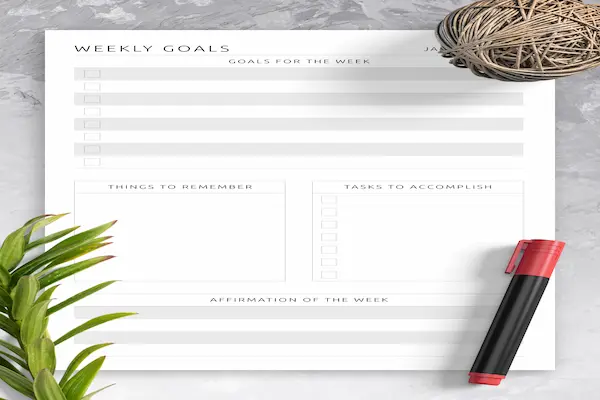
Weekly reviews matter because they act as an anchor between reflection and action, bridging the gap between what you intended to do and what you actually accomplished, allowing you to adjust your expectations with kindness rather than frustration, especially during chaotic or unpredictable weeks when plans shift unexpectedly.
Reviewing your week prevents small responsibilities from slipping through the cracks, helps you avoid task accumulation, gives your brain a natural stopping point for evaluating progress and ensures your commitments remain aligned with your larger goals rather than drifting randomly without direction.
Students and freelancers, in particular, benefit from weekly review routines because their workload changes frequently, deadlines vary in intensity and self-management becomes crucial for success in both academic and professional contexts, making structure essential for sustainable productivity.
Tools Needed for a Calm and Clear Weekly Review
Preparing a few simple tools beforehand keeps your weekly review routine organized and helps you avoid interruptions midway, making the entire process smoother and more meditative.
Suggested Tools
- Your planner, bullet journal or notebook.
- Your digital calendar or scheduling app.
- Pens or markers for color-coding tasks.
- A quiet space with minimal distraction.
- Your weekly review checklist printable.
Having these items ready ensures your review routine remains focused and intentional.
A 20-Minute Weekly Review Sequence
This 20-minute structure offers a repeatable, gentle flow designed to help you reflect on your completed tasks, reset your mind and plan upcoming responsibilities without feeling rushed.
Minute 1–3: Settle In
- Clear your workspace and take a few slow breaths.
- Gather your planner, calendar and weekly review checklist printable.
- Visualize closing the week behind you.
Minute 4–7: Task Review
- Look at your tasks completed during the week.
- Identify anything still unfinished.
- Cross out tasks that no longer matter.
- Migrate important tasks into next week’s plan.
Minute 8–12: Reflection Prompts
- What worked well this week?
- What drained energy or felt confusing?
- Which habits supported progress?
- What do I want to repeat next week?
- What new obstacles appeared?
Minute 13–16: Planning for the Upcoming Week
- Write your top three goals for the upcoming week.
- Block time in your calendar for the most important tasks.
- Add small “anchor habits” to support your goals.
- Create categories if needed (work, school, personal, rest).
Minute 17–20: Sync and Close
- Sync your planner with your digital calendar.
- Highlight critical deadlines clearly.
- Review your weekly review checklist printable quickly.
- Close with one sentence describing your intention for the new week.
Printable-Style Weekly Review Checklist
You can recreate the following checklist in your notebook or planner; it is designed to be minimal, visually clear and easy to follow every week.
Weekly Review Checklist Printable Layout
- Review completed tasks.
- Migrate unfinished tasks.
- Remove irrelevant tasks.
- List wins for the week.
- List challenges that appeared.
- Note lessons learned.
- Identify your top three priorities for next week.
- Schedule blocks of focused work.
- Check upcoming deadlines.
- Sync digital and physical calendars.
- Prepare supplies for next week.
- Reset your workspace.
Reflection Prompts for Deeper Insight
Reflection prompts deepen your weekly review by encouraging awareness, emotional clarity and thoughtful evaluation, helping you track personal growth alongside productivity.
Core Reflection Prompts
- Which tasks felt meaningful and why?
- Which responsibilities felt out of alignment?
- What habits supported your goals?
- What slowed you down?
- What inspired you this week?
- What needs to change moving forward?
Additional Prompts for Students
- Which subjects required the most focus?
- Which study methods worked best?
- Which deadlines are approaching?
- Where do I need extra review time?
Additional Prompts for Freelancers
- Which clients need updates next week?
- Which projects brought the most progress?
- Which tasks produced income or visibility?
- Which systems need refinement?
Task Review Strategies That Keep Projects Moving
Task review becomes meaningful only when paired with a practical method that prevents your lists from becoming overwhelming or cluttered, ensuring that your weekly review remains structured and intentional rather than chaotic.
Task Review Techniques
- The Three-Column Sort: Done, Active, Remove.
- The 5-Minute Clarifier: Quickly determine whether tasks need doing, delaying or discarding.
- The Deadline Filter: Highlight tasks with fixed dates first.
- The Energy Check: Match tasks to your natural energy peaks.
- The Theme Clustering Method: Group tasks by category to reduce cognitive switching.
Planning Template for the Upcoming Week
A weekly planning template supports your weekly review by giving structure to the week you are about to enter, helping you convert insight into realistic action.
Weekly Planning Template
- Top Three Priorities: The most important tasks of the week.
- Secondary Tasks: Everything supportive but not mission-critical.
- Deadlines: All fixed dates that cannot shift.
- Habit Focus: One or two habits you will reinforce.
- Time Blocks: Dedicated periods assigned to key tasks.
- Notes Section: Space for reminders or journaling.
Habit Stacking Tips for a Consistent Weekly Review
Habit stacking strengthens your weekly review routine by connecting it to existing habits, making the process automatic and enjoyable instead of something you have to force yourself to remember.
Habit Stacking Ideas
- Attach your weekly review to your Sunday evening routine.
- Link the review to brewing tea or preparing a snack.
- Use a specific playlist or ambiance to signal review time.
- Pair the review with tidying your desk for the new week.
- Begin the review immediately after closing your planner for the day.
Calendar Sync Method for Predictable Weeks
Syncing your calendar during your weekly review ensures all appointments, classes, deadlines and commitments remain visible, aligned and easy to navigate, preventing scheduling conflicts or forgotten responsibilities.
Calendar Sync Steps
- Check upcoming deadlines, meetings or classes.
- Transfer essential dates into both digital and physical calendars.
- Highlight fixed appointments in a distinct color.
- Block time for deep work or study sessions.
- Schedule buffer time for transitions between tasks.
- Mark rest periods to avoid burnout.
Weekly Review Scripts to Focus the Mind
Sometimes the hardest part of reviewing your week is starting, so gentle scripts can help you ease into reflection naturally and without pressure.
Review Starter Scripts
- “What stands out most from my week?”
- “How did I actually spend my time?”
- “What moved me closer to my goals?”
- “What can I release before moving forward?”
Extended 30 Prompts for Deeper Weekly Reflection
Using an extended list allows you to choose different reflection questions each week, keeping your review fresh and meaningful.
- What made me proud this week?
- What drained my energy?
- What surprised me?
- What did I procrastinate on?
- What should I stop doing?
- What should I start doing?
- What should I continue doing?
- What did I enjoy?
- What disappointed me?
- What could I simplify?
- What could I automate?
- Where did I grow?
- Which tasks mattered most?
- Which tasks felt unnecessary?
- What will I prioritize next week?
- What needs closure or follow-up?
- What conversations must happen soon?
- What am I grateful for?
- What routines worked?
- What routines failed?
- What do I wish I had more time for?
- What do I want to repeat?
- What can I eliminate?
- What needs more planning?
- What deserves a break?
- What inspired me?
- What did I learn about myself?
- What do I want to practice next week?
- What must be finished before month-end?
- What small win do I want to achieve next week?
Final Weekly Review Checklist
Use this final checklist at the end of every weekly review to ensure your next week begins with clarity, intention and confidence.
- Review completed tasks and celebrate progress.
- Identify and migrate incomplete tasks.
- Remove irrelevant items from your list.
- Reflect on wins and challenges.
- Set intentions for the upcoming week.
- Write your top three priorities.
- Block time for deep work or study.
- Review your deadlines and appointments.
- Sync all calendars.
- Prepare materials or tools for Monday.
- Reset your desk or workspace.
- Choose one habit to reinforce.
- Finalize your weekly review checklist printable.