
Exploring time management for self learners becomes much more achievable when you break free from the unrealistic idea that studying independently requires superhuman discipline or perfectly structured days, because most people trying to learn new skills while balancing real-life responsibilities already carry heavy mental loads, unpredictable schedules, inconsistent energy levels and the constant challenge of choosing between long-term goals and urgent short-term tasks, making it essential to rely on supportive systems rather than sheer willpower.
Understanding how to protect your study time with gentle boundaries, thoughtful scheduling models, simple focus tools and a review routine built around realistic expectations allows you to develop a learning rhythm without punishing yourself for moments of distraction or exhaustion, and adopting a calmer, more empathetic approach to self-directed learning often leads to more progress than using rigid productivity rules that do not fit your lifestyle.
Most self-taught learners struggle with time management not because they lack motivation, but because managing one’s own learning requires developing systems that remain stable even when life becomes chaotic, and because the absence of an external structure—like fixed classes, deadlines or instructors—forces you to create your own framework for consistency.
Building a time management system for self learners becomes easier when you understand that studying is not simply about sitting down to read or practice; it is also about reducing distractions, creating a mental environment where focus becomes possible, breaking knowledge into manageable chunks, reviewing what you have learned and mastering the emotional skill of returning to your studies after interruptions.
This guide presents long, detailed explanations and practical tools to help you create sustainable studying schedules, reduce friction, set boundaries with clarity, protect deep work blocks and maintain your motivation even during periods of low energy or self-doubt.
Why Time Management Is Especially Difficult for Self Learners
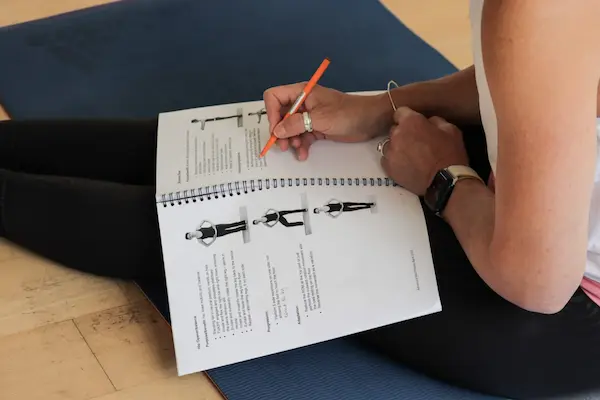
Learning independently is rewarding because you choose the pace, goals and materials, yet this freedom also removes traditional accountability structures, making it surprisingly easy to procrastinate, overload yourself or get lost in planning rather than taking consistent action. Many self-learners also juggle full-time jobs, family responsibilities, health demands or other commitments, meaning study time often becomes the first thing sacrificed when unexpected events occur. Having a clear time management system helps reduce this problem by giving you a way to prioritize learning even when life becomes unpredictable.
Common Challenges Self Learners Face
- Irregular or shifting schedules that make it difficult to form habits.
- Competing responsibilities that absorb mental energy before studying even begins.
- Distractions from digital devices, household tasks or emotional fatigue.
- Lack of external deadlines to create urgency.
- Difficulty estimating how long certain learning tasks will take.
- Overplanning instead of practicing, leading to cycles of avoidance.
Benefits of a Time-Management Approach Designed for Self Learners
- Creates a flexible framework you can adjust as life changes.
- Reduces decision fatigue by turning studying into a predictable part of your routine.
- Improves consistency without forcing unrealistic discipline.
- Supports deeper learning by creating dedicated focus windows.
- Allows you to track meaningful progress over time.
A Scheduling Model Designed for Self-Learning Simplicity
Building a studying schedule does not require a strict timetable; instead, you can use a flexible scheduling model that helps you protect core learning blocks while still leaving space for the unexpected. The key principle is to treat learning as a repeating appointment with yourself rather than something you squeeze in when time appears.
The Three-Block Scheduling Model
This model divides your study time into predictable blocks that repeat every week, reducing planning stress while ensuring you maintain steady contact with the material.
- Primary Study Block: your most focused session of the week, usually on weekends or a free morning, lasting 60–120 minutes.
- Secondary Practice Blocks: two shorter sessions during the week, around 25–45 minutes each.
- Micro-Review Blocks: several small moments of 5–10 minutes for reinforcing memory, reviewing notes or doing quick recall exercises.
Why This Scheduling Model Works for Self Learners
- Reduces guilt because missing one block does not ruin your entire week.
- Makes learning sustainable by avoiding burnout.
- Encourages consistency through repetition rather than pressure.
- Provides a rhythm that fits unpredictable schedules.
How to Implement the Three-Block Model
- Identify the best time of day when your energy is highest—morning, afternoon or evening.
- Choose one “anchor day” each week for your Primary Study Block.
- Schedule two Secondary Blocks on days with lighter routines.
- Place Micro-Review Blocks in natural pauses, such as right after waking, during lunch or before bed.
- Reserve an optional “catch-up” slot for weeks that get hectic.
Tools That Improve Focus and Reduce Distractions
Protecting your study time requires more than scheduling it; you also need straightforward tools that reduce distraction, support deep work and create friction between you and the things that pull your attention away. Many self learners underestimate the power of environment design but quickly notice that even small adjustments dramatically improve focus.
Simple Focus Tools for Self Learners
- Timer Blocks: using 20–40 minute focused periods with breaks between them.
- Device Separation: placing your phone in another room during primary blocks.
- Task Cards: writing each study task on its own card for clarity.
- Single-Task Mode: banning multitasking during study time.
- Desk Reset Ritual: clearing your workspace before starting.
Environmental Adjustments That Support Deep Work
- Reduce visual clutter around your desk.
- Adjust lighting so your environment feels calm and predictable.
- Use noise-reduction strategies such as closed doors or soft background hum.
- Keep only one study resource open at a time.
- Define zones in your home for different activities—learning, resting, chores.
Signs Your Environment Needs Adjusting
- You frequently leave your study space to find missing items.
- You feel restless or scattered after a few minutes.
- You get distracted by clutter or incomplete tasks nearby.
- Your brain associates the space with stress instead of focus.
- You never feel fully settled when beginning a study session.
Scripts for Setting Boundaries Around Study Time
Learning independently requires creating gentle yet firm boundaries with people in your life, especially if they do not understand the importance of uninterrupted focus. Practicing simple scripts makes it easier to communicate your needs clearly without sounding defensive or unkind.
Boundary Scripts for Family or Housemates
- “I’m doing a study block right now. I’ll be available again at ____.”
- “I need a quiet 30 minutes to focus. Can we talk after that?”
- “I’m working on something important—can you hold this until I finish?”
- “Thank you for understanding that I’m trying to stay consistent with my learning.”
Boundary Scripts for Friends
- “I won’t be available for the next hour—I’m doing a study routine.”
- “Can we schedule our call later? This is one of my learning days.”
- “I really want to talk, but I’m committed to studying at this time.”
Boundary Scripts for Yourself
- “I can do that task later; right now I study.”
- “I don’t need everything perfect to begin.”
- “This is only 25 minutes. I can return afterward.”
- “Even small progress counts today.”
Deep Work Techniques for Self Learners
Deep work helps you understand challenging material at a level that shallow studying cannot reach. Because deep work requires periods of uninterrupted focus, mastering these techniques gives self-learners a significant advantage.
Deep Work Preparation
- Create a calm, predictable starting ritual—breath, posture, desk reset.
- Define your goal clearly before starting a block.
- Break your task into smaller units to reduce overwhelm.
- Choose one resource only—avoid hopping between guides.
- Set a WIP-style limit (one task per session).
Deep Work Maintenance
- Pause to recenter if your mind wanders; return without guilt.
- Label distractions on paper and continue working.
- Use checkpoints every 10–15 minutes to test your understanding.
- Avoid perfectionism; focus on steady momentum.
- Stop before exhaustion so you return stronger next time.
Review Checklist: How to Reinforce What You Learn
A solid review routine determines whether learning sticks long-term. Self-learners rarely struggle to consume information, but often struggle with remembering and applying it, making regular review sessions essential.
Weekly Review Checklist
- What did I learn this week, and how does it connect to previous material?
- Which concepts need reinforcement?
- Which notes or tasks need organizing?
- Where did I struggle most, and why?
- What small win am I proud of?
- What will I study next week?
Monthly Review Reflection Questions
- Which study methods worked best for me this month?
- Where did distractions weaken my focus?
- What changes to my environment helped most?
- Which resources moved me forward?
- What long-term progress can I see clearly now?
Printable Planner Pages for Self-Learning Time Management
These text-based “PDF-style” layouts provide structure you can replicate in a notebook or digital tool.
Daily Planner Template
- Focus Task: ________________________
- Secondary Tasks: __________________
- Study Block Start: ________________
- Study Block End: __________________
- Notes: ____________________________
Weekly Learning Layout
- Main Goal: _________________________
- Primary Study Block: ______________
- Secondary Blocks: _________________
- Micro Reviews Planned: ___________
- Obstacles to Prepare For: ________
Progress Tracker
- Topic: _____________________________
- Minutes Studied: _________________
- Notes Mastered: _________________
- Skills Improved: _________________
- Next Steps: ______________________
Additional Time Management Tips for Self Learners
Time management improves when you rely on simple, repeatable principles rather than rigid systems, so layering small strategies over time helps you find what works best.
More Practical Tips
- Use “theme days” to cluster similar learning tasks together.
- Plan study tasks the night before to reduce morning friction.
- Create a “not now” list for distractions that arise mid-session.
- Adjust study blocks based on your real energy patterns.
- Celebrate progress weekly instead of waiting for big milestones.
Final Checklist for Mastering Time Management as a Self Learner
- Design your weekly schedule using the three-block model.
- Prepare simple focus tools to reduce distractions.
- Use boundary scripts to protect your study time.
- Practice deep work with short, consistent blocks.
- Complete weekly and monthly review checklists.
- Use printable planner templates to stay organized.
- Adjust your system gently whenever life changes.