
Designing a learning plan for new skills becomes far more effective, motivating and sustainable when you approach your development with intention, clarity and a structured mindset rather than relying on bursts of inspiration or vague goals that quickly dissolve under the weight of daily responsibilities, because most adult learners discover that enthusiasm alone is rarely enough to sustain progress in the long term without a roadmap that transforms curiosity into action, and action into consistent growth.
Many adults who want to acquire a new ability — whether a technical skill, creative craft, language, professional capability or personal hobby — often feel overwhelmed by not knowing where to start, or by the sheer amount of information available, or by the pressure to make progress quickly; however, building a self learning plan that is grounded in realistic steps, clearly defined milestones, predictable study routines and intentional resource choices provides a reliable framework that supports confidence, removes decision fatigue and turns your desire for growth into a repeatable, achievable process.
This comprehensive guide will walk you through exactly how to create a structured learning plan for new skills by guiding you through a step-by-step planning worksheet, a milestone map that divides long-term goals into manageable stages, a resource vetting process to ensure you choose high-quality material instead of drowning in random information, a weekly schedule template that helps you practice consistently and a collection of study routine strategies designed to help adult learners stay motivated, organized and on track even when life becomes busy or unpredictable.
By the end of this article, you will not only have a complete outline for your learning goals, but also a customizable roadmap that matches your energy, your pace, your responsibilities and your personal learning style, making it possible to grow without burnout, frustration or confusion.
Learning Plan for New Skills: Why Adults Need a Structured Map
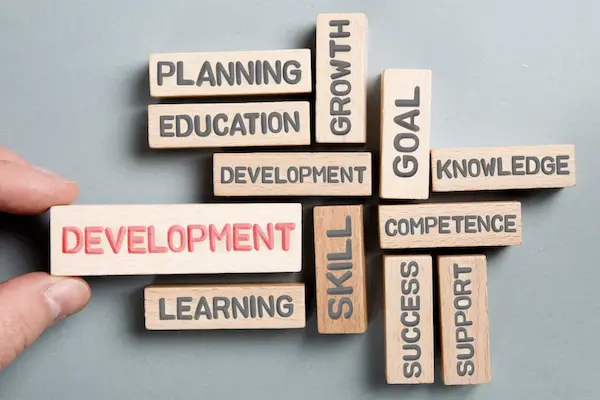
Understanding why adult learners benefit from structure helps reinforce your motivation to create a solid plan, since adults juggle multiple responsibilities such as work, family, finances and personal obligations, meaning that learning must fit into existing routines instead of replacing them entirely. Without a roadmap, it becomes too easy for goals to remain ideas rather than actions, and even skills you deeply want to learn can drift into “someday” territory.
Using a clear learning plan for new skills also prevents overwhelm because you break down the intimidating “big picture” into small, digestible tasks that feel realistic, achievable and motivating rather than abstract, vague or unreachable. In addition, structured planning helps you track progress, stay focused and avoid wasting time jumping between random resources, inconsistent study sessions or disconnected learning paths.
Finally, a well-built plan strengthens your mindset shift from passive consumption to purposeful learning, helping you take ownership of your development, celebrate milestones and build long-term habits that support lifelong education.
Before You Begin: Clarify Your Core Motivation
Before building your learning roadmap, spend time identifying your deeper reasons for wanting to develop this new skill, because understanding your “why” will keep you anchored during periods of slow progress or low motivation.
Motivation Reflection Questions
- What meaningful change will this new skill bring to your life?
- How will mastering this skill support your personal or professional goals?
- Who will benefit from you developing this skill — yourself, your career, your family?
- What long-term opportunities could this learning open?
- How will you feel one year from now if you stay consistent?
Step-by-Step Planning Worksheet for Your Learning Plan
This planning worksheet is designed to help you map your entire learning plan for new skills, offering a practical foundation that keeps you grounded throughout your journey.
Step 1: Define the Skill Clearly
- What is the exact skill you want to learn?
- What level of mastery do you want — beginner, intermediate, advanced?
- What does success look like in measurable terms?
Step 2: Identify Key Subskills
Every new skill contains smaller subskills that build the foundation for competence. Identifying them prevents overwhelm and gives you a clear roadmap.
- List all essential components of the skill.
- Group subskills from simplest to most complex.
- Highlight prerequisites you must learn first.
Step 3: Establish Your Learning Timeline
- Choose a realistic timeframe for learning.
- Break the timeline into monthly stages.
- Plan small milestones for each stage.
Step 4: Choose Your Learning Resources
- Books or written materials.
- Practice exercises or challenges.
- Classes or workshops.
- Community groups or mentors.
- Practice tools or required materials.
Step 5: Design Your Study Routine
- Choose your frequency (daily, weekly, hybrid).
- Decide how many minutes you can realistically dedicate.
- Plan where and how you will practice.
Step 6: Determine How You Will Track Progress
- Create a log or tracker to record sessions.
- Use habit stacking to attach learning to existing routines.
- Add small celebrations to maintain motivation.
Your Milestone Map: Turning Big Goals Into Manageable Wins
A milestone map breaks down your larger vision into structured checkpoints that feel achievable, giving you something to celebrate regularly while also ensuring that you always know what step comes next. This structure is essential for maintaining momentum over long timelines.
Milestone Map Structure
- Milestone 1: Learn foundational concepts.
- Milestone 2: Practice simple exercises daily or weekly.
- Milestone 3: Complete a small project or demonstration.
- Milestone 4: Improve accuracy, speed or confidence.
- Milestone 5: Build an intermediate-level application or project.
- Milestone 6: Seek feedback and refine your skills.
- Milestone 7: Explore advanced techniques or expansions.
- Milestone 8: Complete a capstone project that showcases your learning.
How to Use This Map Effectively
- Focus on one milestone at a time to avoid overwhelm.
- Write a short checklist for each milestone.
- Track completion dates to visualize progress.
- Repeat or extend milestones depending on your pace.
- Use reflection questions after each milestone.
Resource Vetting Guide: Choosing What Actually Helps You Learn
Vetting resources ensures you do not lose time exploring low-quality material or disorganized lessons, which can derail motivation for adult learners who want efficiency and clarity instead of noise and confusion.
Criteria for Evaluating Resources
- Clarity: Does the resource explain concepts simply?
- Structure: Is the learning path organized?
- Credibility: Are the creators experienced or knowledgeable?
- Practice: Does it provide practical exercises?
- Applicability: Can you use what you learn right away?
- Pacing: Does it match your preferred learning speed?
Red Flags to Avoid
- Confusing explanations or missing steps.
- Lack of practice opportunities.
- A single long lesson without structure.
- Unclear goals or outcomes.
- Material that contradicts well-known basics.
Building a Weekly Schedule Template for Your Learning Plan
A weekly study routine helps turn your learning plan for new skills into a consistent habit because the brain thrives when learning is predictable, repeated and integrated into existing rhythms instead of relying on occasional bursts of effort.
Weekly Schedule Template
- Monday: Review last week’s progress + light practice.
- Tuesday: Dedicated study session on one subskill.
- Wednesday: Midweek practice or project work.
- Thursday: Reflection + correction of weak areas.
- Friday: Skill application through a mini project.
- Saturday: Optional creative or advanced exploration.
- Sunday: Rest + weekly review + milestone check.
Additional Scheduling Tips
- Use short time blocks (15–30 minutes) for busy days.
- Combine your learning routine with habit stacking.
- Prepare materials the night before to reduce friction.
- Keep a backup plan for days when schedules shift.
- Reflect weekly to adjust your pace without guilt.
Study Routine Strategies for Adult Learners
Because adults learn differently than children, using specific study strategies improves retention, reduces frustration and keeps the learning experience enjoyable instead of draining.
Effective Adult Learning Techniques
- Active recall: Practice retrieving information without notes.
- Spaced repetition: Revisit material at increasing intervals.
- Deliberate practice: Focus on weak areas intentionally.
- Interleaving: Switch between subskills during practice.
- Teach-back method: Explain what you learned to someone else.
Practical Study Tips
- Limit multitasking to increase retention.
- Use timers for focused sessions.
- Take breaks when mentally saturated.
- Create a dedicated learning corner.
- Set micro-goals for each session.
Example Learning Plan for New Skills (Full Walkthrough)
Seeing a complete example helps you understand how each part of the learning plan fits together; let’s walk through a realistic sample for a common skill many adults want to learn.
Example: Learning Basic Drawing Skills
- Goal: Draw simple objects with confidence in eight weeks.
- Subskills: Lines, shapes, proportion, shading, texture.
- Weekly Routine: Practice 20 minutes a day + weekend review.
- Milestones: Shapes → simple objects → still life → personal project.
- Resources: Pencil, paper, structured prompts, beginner exercises.
This structure can be applied to cooking, running, coding, speaking a new language, knitting, writing, fitness training or any skill you want to explore slowly and intentionally.
Habit Stacking Ideas for Learning Consistency
Habit stacking transforms your study sessions from optional tasks into predictable parts of your day, which increases discipline without relying on motivation alone.
Habit Stacking Examples
- Learn immediately after your morning coffee.
- Study for ten minutes right after lunch.
- Review notes during your commute (if safe and offline).
- Practice before starting evening relaxation.
- Do one learning task before checking social apps.
Optional Templates for Your Learning Plan
Templates reduce decision fatigue and help you stay organized; copying these into your notebook accelerates your learning routine.
Template 1: Daily Learning Log
- Date:
- Today’s focus:
- What I practiced:
- What I learned:
- What to improve tomorrow:
Template 2: Milestone Tracker
- Milestone:
- Start date:
- Completion date:
- Reflection:
Template 3: Weekly Review
- Wins from the week:
- Challenges:
- Adjustments needed:
- Next week’s goals:
Reflection Questions to Strengthen Your Learning Journey
Reflecting regularly builds self-awareness and helps you understand which learning strategies work best for your personal style.
Reflection Prompts
- Which habits helped me make progress this week?
- Which learning moments felt most rewarding?
- What challenges slowed me down?
- What patterns do I notice in my energy or motivation?
- What can I adjust to feel more confident?
Final Checklist for Building a Learning Plan for New Skills
This checklist summarizes all essential steps so you can start your learning plan with clarity.
- Define your skill and success criteria clearly.
- Break the skill into subskills.
- Create a realistic timeline with milestones.
- Vet your resources for clarity and structure.
- Build a weekly study schedule.
- Use active learning strategies.
- Track your sessions and progress.
- Use habit stacking for consistency.
- Reflect weekly and adjust your plan.
- Celebrate each milestone genuinely.