
Learning how to read nutrition labels becomes significantly easier when the information is delivered in a clear, structured and practical manner that respects the needs of a grocery shopper wanting to make better choices without feeling overwhelmed by technical terms, numerical values, serving-size math or ingredient lists that sometimes feel cryptic to anyone not already familiar with food labeling standards. Reading labels can feel confusing at first because packages vary widely in formatting, font style, ingredient names, nutrient breakdowns and claims placed on the front of the product, yet the underlying principles remain consistent across foods, and understanding these principles empowers you to interpret labels confidently, make comparisons between similar items and recognize patterns that indicate whether a food is nutrient-dense or simply marketed to appear healthier than it is.
The purpose of this extensive guide is to teach you how to read nutrition labels with confidence through long, detailed explanations that clarify each part of a label step-by-step, combined with simple diagrams described in text, definitions of key terms, instructions on how to identify serving size manipulation, examples of added sugars hidden behind multiple names, common pitfalls that mislead shoppers, quick-check techniques that take less than ten seconds when browsing aisles, and example comparisons that reveal how two similar-looking items can differ dramatically in nutritional value. By the end, you will be able to interpret nutrition labels on your own without guessing or relying solely on marketing claims, allowing you to make aligned choices based on your goals, preferences and dietary awareness.
Why Learning How to Read Nutrition Labels Matters
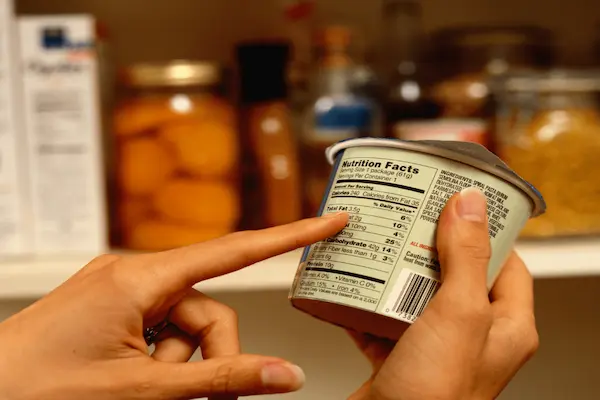
Reading nutrition labels is important because packaged foods often contain more calories, sodium, added sugars, refined oils or artificial flavors than expected, and brands sometimes use front-of-package claims such as “natural,” “light,” “low fat” or “multigrain” to imply health benefits that may not reflect the actual nutritional profile. The information you truly need lives on the back of the package in the nutrition facts panel and the ingredients list, which together reveal far more about product quality than any marketing phrase or colorful graphic.
Understanding labels helps you avoid unintentional overconsumption, especially because serving sizes can be misleading, with many packages containing multiple servings despite appearing to be single portions. When you understand how to read the serving size, compare nutrients across similar foods and interpret ingredient lists from top to bottom, you can make informed decisions that support your wellness goals without falling into the common traps set by confusing labeling practices.
Understanding the Structure of a Nutrition Label
Although layout may vary slightly, most nutrition labels follow a standard structure. Knowing the order and purpose of each section provides a strong foundation for interpreting information accurately.
Text-Based Label Diagram
- Section 1: Serving Size – Shows how much of the product counts as one serving.
- Section 2: Calories – Displays total calories per serving.
- Section 3: Macronutrients – Lists fat, carbohydrates and protein, typically including subcategories.
- Section 4: Micronutrients – Lists vitamins and minerals provided in meaningful amounts.
- Section 5: Daily Value Percentages – Helps you understand how nutrients relate to general dietary guidelines.
- Section 6: Ingredients List – Shows every ingredient in descending order by weight.
- Section 7: Footnotes or notes – Sometimes includes contextual information on Daily Values.
Serving Size: The Most Important Starting Point
Serving size is the foundation for interpreting an entire label, because every number on the panel depends on this reference. Manufacturers choose serving sizes strategically, which means a listed serving may not match the portion most people actually consume, and therefore your first step is always identifying the serving size and checking how many servings are in the package so that all further calculations stay accurate.
How to Interpret Serving Size
- Look at the serving size in grams or milliliters rather than cups or pieces because weight is more precise.
- Compare serving size to the quantity you normally eat to determine whether you need to multiply values.
- Check how many servings the package contains; what looks like a single portion may contain multiple servings.
- If two similar products have very different serving sizes, standardize comparisons by converting to the same weight (e.g., compare 100g to 100g).
Common Serving Size Pitfalls
- Small bags of snacks listing two or more servings.
- Beverages listing one serving as half the bottle.
- Spreads listing unrealistically small serving sizes (e.g., one teaspoon).
- Cereal servings listed as far smaller than what most people pour.
Calories: What They Represent
Calories provide an estimate of how much energy a serving of food supplies, but calories alone do not reflect quality. Interpreting calories correctly means noticing how energy density relates to portion size and ingredients. Foods with fewer calories may not always be healthier, but high-calorie foods can be problematic when they derive most of their energy from added sugars or processed fats rather than nutrient-rich ingredients.
Quick Ways to Evaluate Calories
- Check how calories change when serving size doubles or triples.
- Look at the ingredients to see whether calories come from nutrient-dense or refined components.
- Compare calorie counts between similar products after standardizing serving sizes.
Macronutrients and Their Subcategories
Macronutrients—fat, carbohydrates and protein—are broken down into subcategories that help you understand food composition more clearly. Knowing what each subcategory means is essential for interpreting quality rather than just quantity.
Total Fat and Subclasses
- Saturated fat: Often listed because excess intake has been associated with certain health risks.
- Trans fat: Should ideally be zero; even small amounts may appear under alternate names like “partially hydrogenated oils.”
- Unsaturated fats: Sometimes not explicitly listed but inferred from ingredients such as nuts, seeds or avocado oil.
Carbohydrates and Subcategories
- Total carbohydrates: Includes fiber, sugars and starches.
- Dietary fiber: Higher values are usually beneficial.
- Total sugars: Includes natural and added sugars.
- Added sugars: Indicates sugars incorporated during processing; higher values suggest lower nutritional quality.
Protein
- Protein content can help compare items like snacks, cereals or frozen meals.
- Higher protein doesn’t always mean better; the source matters, so check the ingredient list.
Daily Value Percentages
Daily Values (%DV) show how a serving contributes to general daily nutrient intake, based on typical dietary guidelines. Although these values are generalized and not personalized, they help you understand whether a food is high or low in certain nutrients.
How to Use %DV
- 5% DV or less = low in that nutrient.
- 20% DV or more = high in that nutrient.
- High DV desirable for fiber, vitamins and minerals.
- High DV undesirable for sodium, saturated fat or added sugars.
Ingredients List: The Most Revealing Section
The ingredients list often reveals more than the nutrition facts because it shows the quality and structure of a food product. Ingredients appear in descending order by weight, meaning that the first few ingredients represent most of what you are eating. Recognizing added sugars, refined oils, artificial flavors and highly processed components helps you distinguish between whole-food-based items and heavily engineered products.
How to Read an Ingredients List Effectively
- Look at the first three ingredients; they define the food.
- Avoid long strings of additives if you prefer minimally processed foods.
- Scan for added sugars under multiple names.
- Identify refined oils, such as “vegetable oil,” “canola oil” or “soybean oil,” which may appear frequently in processed foods.
Common Names for Added Sugars
- Corn syrup
- Brown rice syrup
- Maltodextrin
- Evaporated cane juice
- High-fructose corn syrup
- Fruit juice concentrate
- Agave nectar
Quick Label Checks That Take Under 10 Seconds
Grocery shoppers often make decisions quickly, and building fast habits for assessing labels ensures you can choose better options even when in a rush.
10-Second Quick-Check Steps
- Check serving size first to avoid misleading comparisons.
- Glance at added sugars and sodium; these two reveal a lot about processing.
- Look at the first three ingredients; if sugar or refined flour is listed first, reconsider.
- Check for trans fat or partially hydrogenated oils; avoid if present.
Common Pitfalls When Reading Nutrition Labels
Misinterpretation often comes from details that labels technically disclose but present subtly, so understanding common traps helps you avoid misjudging products.
Frequent Mistakes to Avoid
- Comparing calories before checking serving sizes.
- Assuming “low fat” means nutritious; sugar often rises to compensate.
- Believing “natural” or “organic” implies nutritional superiority.
- Ignoring added sugars hidden under multiple names.
- Assuming “multigrain” equals whole grain; it often does not.
Example Comparisons to Strengthen Understanding
Comparing similar foods helps solidify label-reading skills by demonstrating how two items with similar marketing can differ significantly.
Example: Snack Bar A vs. Snack Bar B
- Serving size: Bar A is 30g; Bar B is 40g.
- Calories: Bar A shows 150 calories; Bar B shows 160, but adjusted for equal weight Bar B is lower.
- Added sugars: Bar A lists 10g; Bar B lists 4g.
- Ingredients: Bar A starts with corn syrup; Bar B starts with oats.
The comparison shows why serving-size standardization matters.
Example: Two Tomato Sauces
- Sodium: One contains 380mg per serving; the other 90mg.
- Added sugars: One contains 7g; the other contains none.
- Ingredients: One lists sugar early; the other lists only tomatoes and herbs.
Advanced Tips for Confident Label Reading
Detailed Strategies
- Standardize serving sizes to 100g or 100ml when comparing.
- Use fiber content as a quality marker in grain products.
- Check protein sources in foods marketed as high-protein.
- Use sodium levels to evaluate packaged savory foods.
- Look at fat breakdown rather than focusing on total fat alone.
Patterns That Indicate Higher Quality
- Short ingredients lists featuring recognizable whole foods.
- Lower added-sugar content compared to competitors.
- Satisfying fiber levels, particularly in cereals and bread.
- Minimal artificial flavors, colors or preservatives.
Checklist for Reading Nutrition Labels Confidently
-
- Start with serving size and servings per container.
- Compare calories only after checking serving size.
- Look at added sugars for a quick quality check.
- Examine sodium and saturated fat for savory processed foods.
- Scan the first three ingredients for overall quality.
- Identify added sugars under different names.
- Check fiber levels in grain-based products.
- Review Daily Values to see whether nutrients are high or low.
- Ignore front-of-package claims; rely on the panel instead.