
Painting terracotta pots is one of the easiest weekend projects to turn a plain patio into a cozy, colorful space that looks intentionally decorated instead of thrown together.
When you truly understand how to paint terracotta pots with durability in mind, you stop wasting time on cute projects that peel, fade, or bubble after the first rain or scorching week of sun.
This guide was created specifically for the weekend crafter who loves simple DIY projects, wants clear instructions, and needs pots that survive real outdoor weather, not just a photo on the first day.
Throughout this article, you will learn how to prep and prime properly, how to choose outdoor safe paint, how to seal terracotta step by step, how to use five easy design ideas, and how to manage curing times and care so your work actually lasts.
By the end, you will have a practical roadmap you can follow over one or two weekends, from buying materials to placing the finished pots on your patio beside your favorite chair.
Nothing here depends on advanced art skills, because structure, patience, and the right products do most of the heavy lifting for you.
Why Terracotta Needs Special Care Before Painting
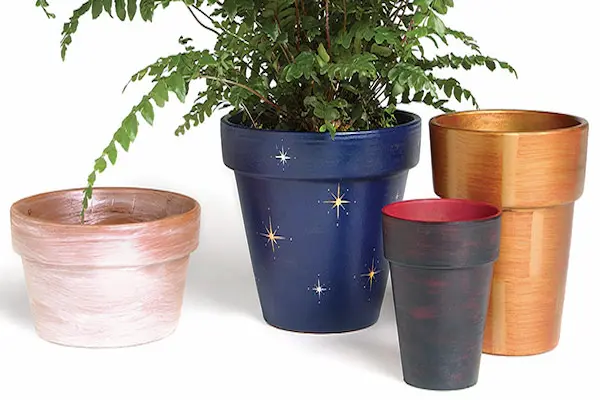
Terracotta looks simple, but when you start painting clay pots you quickly notice that the material behaves in a very particular way compared with plastic or glazed ceramic.
The clay is naturally porous, which means it absorbs water from the soil and slowly releases that moisture through the walls of the pot into the surrounding air.
That breathable quality is fantastic for many plants, because it helps prevent constantly soggy roots, yet it becomes a challenge once you cover the surface with layers of paint and sealer.
As water moves through the terracotta wall, it can transport mineral salts and tiny particles that end up on the outer surface, sometimes pushing against your paint from underneath.
Over time, this internal movement can lead to cosmetics issues like white crust, bubbling sealer, and flaking paint if the pot was not prepared correctly.
When the prep is rushed or skipped, several predictable problems tend to show up on painted terracotta pots used outdoors.
- Paint starts peeling or flaking off in patches near the base or the rim of the pot.
- White, chalky, or crusty stains appear on top of your carefully chosen colors.
- Bright shades look dull because the dry clay absorbed too much pigment from the first coats.
- Clear sealer becomes cloudy or bubbly after rain or intense sun exposure.
Understanding these tendencies helps you see why every serious method for how to paint terracotta pots begins with cleaning, drying, and priming instead of jumping straight to the fun colors.
Once you respect the way terracotta breathes and work with it, the whole process becomes less frustrating and your creative energy starts to pay off in longer lasting, prettier pots.
Tools and Materials Checklist for Painting Clay Pots
Before opening any paint, it is worth setting up a clear materials checklist so your project flows smoothly from prep to sealing without constant stops.
Use the lists below as a base and adjust the quantities based on how many pots you plan to decorate in one weekend.
Cleaning and Prep Supplies
- Soft brush or old toothbrush to remove dust, loose clay, and soil from inside and outside the pot.
- Mild dish soap to help break down dirt, old residue, and light oils on the surface.
- Bucket or basin large enough to fully submerge your terracotta pots for soaking.
- Clean cloths or rags for drying, wiping, and removing sanding dust.
- Fine grit sandpaper to smooth rough rims, chips, and sharp edges without damaging the pot.
- Protective gloves if you prefer not to work with bare hands in water and cleaning solutions.
Priming Products
- Water based primer designed for masonry, terracotta, or multi surface use on porous materials.
- Optional white gesso if you want a bright, artist style base that makes colors appear extra vivid.
- Foam roller for covering smooth outer surfaces quickly and evenly.
- Flat synthetic brushes for rims, bases, and detailed or textured areas of the pot.
Paint Options and Outdoor Safe Paint
- Exterior grade acrylic or multi surface acrylic clearly labeled as suitable for indoor and outdoor use.
- Standard craft acrylic for indoor pieces or pots that will sit on covered patios.
- Exterior latex or masonry paint if you already have leftover house paint you want to repurpose.
- Spray paint rated for outdoor use and compatible with masonry or terracotta surfaces.
- Chalk or mineral paint when you want a soft matte finish and slightly rustic character.
When durability matters most, choose outdoor safe paint for any pot that will live in open air rather than under a roof.
Sealers and Finishing Products
- Clear acrylic spray sealer for thin, even coats on small and medium pots.
- Brush on clear acrylic or polyurethane sealer available in matte, satin, or glossy versions.
- Small detail brushes dedicated to applying sealer around rims, textures, and tight corners.
- Optional wax finish for projects that will stay indoors or in fully covered areas only.
- Felt pads, cork pads, or rubber feet to protect the bottom edge of the pot from abrasion.
Extras for Design Ideas and Details
- Painter’s tape for crisp color blocking, stripes, and geometric sections.
- Stencils with botanical, geometric, or abstract shapes for repeatable patterns.
- Pencil and flexible ruler or measuring tape for marking lines and design guides.
- Sponge pieces for dabbing textures, washed effects, and soft gradients of color.
- Cotton swabs and toothpicks for dots, tiny marks, and small corrections.
- Palette or disposable plate for mixing custom shades and testing color combinations.
Having everything ready before you start painting clay pots keeps the project relaxing and lets you enjoy the creative part instead of constantly searching for missing tools.
How to Paint Terracotta Pots Step by Step
A reliable method for how to paint terracotta pots always follows the same basic sequence, moving from cleaning through priming, base coats, design work, and sealing.
Following a step by step flow keeps you from skipping important stages in the excitement to see your colors on the pot.
Step 1 – Clean and Soak the Pots
- Brush each pot thoroughly, inside and outside, to remove dry soil, dust, and loose clay chips.
- Fill a bucket or basin with warm water and a small amount of mild dish soap.
- Submerge the pots completely and let them soak for around twenty to thirty minutes.
- After soaking, scrub gently with a brush, focusing on rims, inner edges, and textured areas.
- Rinse every pot with clean water until no soap remains on the surface.
- Set the pots upside down to drain and air dry until they look surface dry.
Soaking and scrubbing remove hidden dirt and some mineral buildup, giving primer and paint a much cleaner surface for adhesion.
Step 2 – Let Terracotta Dry Completely
- Place the pots in a warm, dry, well ventilated space where air can circulate freely.
- Leave them to dry for at least twenty four hours after soaking, and longer if your climate is very humid.
- Check the clay by touch and notice whether it still feels cool or slightly damp.
- Allow extra time whenever the pot feels cool, because that often indicates moisture still inside the walls.
- Avoid rushing this step, since trapped moisture is one of the main causes of peeling paint and cloudy sealer later.
Fully dried terracotta responds much better to primer, making the entire painting process more predictable and durable.
Step 3 – Sand and Remove Dust
- Inspect rims, bases, and any chipped areas for sharp edges or rough spots.
- Use fine grit sandpaper to gently smooth those areas without carving into the pot.
- Brush away sanding dust with a clean dry cloth or a soft brush.
- Wipe lightly with a slightly damp cloth if necessary, and let the pot dry again briefly.
Even a quick sanding pass improves the smoothness of your primed surface and helps your paint glide more evenly.
Step 4 – Prime the Terracotta Surface
Priming is the quiet hero of any good method for how to paint terracotta pots that will face outdoor conditions.
- Choose a water based primer labeled for masonry, terracotta, or multi surface use on porous surfaces.
- Stir the primer thoroughly to create a consistent texture.
- Apply a thin, even coat to the outside of the pot with a foam roller for large areas.
- Use a flat brush to reach rims, bases, and any textured sections the roller misses.
- Decide whether to prime the interior, considering that leaving it unsealed can help plant roots breathe.
- Keep the drainage hole open and free of thick primer buildup.
- Let the first coat dry completely according to the manufacturer’s directions.
- Add a second light coat if the surface still looks patchy or highly absorbent.
A good primer layer reduces how much color paint you need, keeps shades more vivid, and helps control the natural absorption of terracotta.
Step 5 – Plan Colors and Design Ideas
- Decide whether your pots will work as a coordinated set or as individual pieces around the patio.
- Choose a palette of two to four main colors that fit your outdoor furniture and plant foliage.
- Select one neutral shade to use as a base color across multiple pots for visual unity.
- Pick one accent color that can appear in small details like stripes, dots, or stencil lines.
- Sketch quick design ideas on paper, such as bands, vertical stripes, stenciled motifs, or washed layers.
Planning your design ideas before opening the paints keeps the project focused and helps your pots look intentionally coordinated rather than random.
Step 6 – Apply Base Coats of Paint
- Start with your chosen base color and paint the exterior of the pot in thin, smooth strokes.
- Paint slightly over the rim into the interior if you want a neat visible edge from above.
- Allow the first coat to dry completely, usually between twenty and forty minutes for acrylic paint.
- Add a second and maybe a third thin coat until the color appears even and opaque.
- Avoid heavy, thick layers, which tend to crack and dry unevenly on terracotta.
Base coats create the background for all your later details, so patient layering here sets up a cleaner, more professional result.
Step 7 – Add Details, Patterns, and Accents
- Use painter’s tape to create color blocks, angled sections, or horizontal bands around the pot.
- Press the tape edges firmly to reduce the risk of paint bleeding underneath.
- Try dots, dashes, vertical stripes, or simple shapes to build a pattern that repeats across the pot.
- Experiment with sponges for soft washed areas and textured color transitions.
- Reserve fine brushes, cotton swabs, and toothpicks for small accents and clean touch ups.
Repeating the same design elements on several pots, even with different colors, gives your patio a cohesive, styled look without extra effort.
Choosing the Right Outdoor Safe Paint for Terracotta
Selecting the right paint type is just as important as learning how to seal terracotta, because sealer works best when the paint underneath is already suited to outdoor conditions.
Different paint families offer different levels of flexibility, coverage, and UV resistance, so you can match the product to your climate and your expectations.
Comparing the Main Paint Types
- Outdoor acrylic or multi surface acrylic tends to be flexible, strongly adhesive, and well suited to primed terracotta used outdoors.
- Standard craft acrylic is easy to find and great for indoor pots or covered patios, especially when sealed properly.
- Exterior latex or masonry paint can cover large planters efficiently and work well when you already have leftover paint from house projects.
- Outdoor spray paint gives very smooth coverage and is convenient for base coats, but it requires careful masking and good ventilation.
- Chalk or mineral paint creates a soft matte look that fits rustic design ideas, yet it needs strong sealing for outdoor exposure.
Oil based paints usually dry very hard and less flexible, which can be risky on pots that expand and contract slightly with temperature and moisture changes.
Matching Paint to Your Space and Climate
- Choose exterior grade acrylic or multi surface paints when your pots will sit in open sun and rain most of the year.
- Use craft acrylic or chalk paint for indoor spaces, covered balconies, and protected patios.
- Leverage exterior latex or masonry paint for large statement planters that match nearby walls or trim.
- Reserve spray paint for smooth modern finishes when you can work outdoors in a safe, ventilated area.
- Always read the label and look for notes like “outdoor safe paint,” “exterior,” or “indoor and outdoor” to confirm suitability.
Staying within water based systems and checking compatibility with your planned sealer keeps all the layers working together rather than fighting each other.
How to Seal Terracotta Pots for Outdoor Durability
Sealing is the final technical step that protects your design from water, dirt, and UV damage, and it really completes the method for how to paint terracotta pots that survive multiple seasons.
Handled with patience and thin layers, sealer can dramatically extend the life of your paint job without making the pot look plastic or overly shiny, unless that is the look you want.
What to Seal and What to Leave Breathable
- Decide whether the pot will hold soil directly or act as a decorative cover for a plastic nursery pot.
- Seal only the outside when you want to keep more breathability on the inside for plant health.
- Seal both inside and outside freely when the terracotta will never be in direct contact with soil.
- Ensure the drainage hole remains open and not clogged with thick layers of paint and sealer.
- Balance plant needs with durability based on your particular climate and watering habits.
Leaving some breathability for roots often works best for living plants, while decorative outer shells can be fully sealed to maximize durability.
Types of Sealers for Painting Clay Pots
- Clear acrylic spray sealer is easy to apply in fine layers and ideal for small and medium pots.
- Brush on acrylic or polyurethane sealer gives more control and can provide a thicker barrier when needed.
- Matte finishes keep the look soft and natural, while satin and gloss finishes emphasize color and shine.
- Wax finishes add a smooth feel to chalk paint but are better reserved for covered or indoor settings.
Whenever durability is important, choose a sealer formulated for exterior use and compatible with water based paints.
Step by Step: How to Seal Terracotta
- Confirm that all paint is thoroughly dry, ideally waiting at least one full day after the last color coat.
- Place the pot on a protected surface such as cardboard or a drop cloth in a ventilated area.
- Shake spray sealer according to the instructions or stir brush on sealer until it is uniform.
- Apply the first coat in light, even passes, turning the pot so every side receives a thin layer.
- Allow this coat to dry completely before adding another, following the recommended wait time.
- Repeat with a second and, if desired, a third thin coat for pots that will face heavy weather.
- Let the sealed pots cure undisturbed for twenty four to forty eight hours before filling with soil or placing outside.
Thin, patient coats of sealer help avoid bubbles, drips, and cloudy patches, giving your painted pots a clear, protective finish.
Five Easy Design Ideas for Painted Terracotta Pots
Once you have mastered the prep, paint, and seal steps, the fun part starts with design ideas that can transform simple clay pots into coordinated decor pieces.
These five templates are simple enough for beginners and flexible enough to adapt to any color palette or patio style.
Design Idea 1 – Modern Color Block Bands
- Paint the pot in a solid neutral base such as white, soft gray, or warm beige.
- Let the base dry completely before adding any tape or secondary colors.
- Wrap painter’s tape horizontally around the pot to create one or more wide bands.
- Fill the exposed band areas with bold contrasting colors like deep green, navy, or black.
- Remove the tape while the band paint is still slightly tacky to reveal crisp edges.
- Add a narrow metallic or bright accent stripe along one edge for extra interest if desired.
This clean design works beautifully with structured plants and instantly gives your patio a modern, graphic feel.
Design Idea 2 – Boho Vertical Stripes
- Choose a warm base color such as terracotta, mustard, or muted coral and paint the pot.
- Let the base dry, then lightly sketch vertical stripe guides with a pencil, allowing some variation in width.
- Fill stripes with earthy tones like cream, rust, olive, and dusty teal for a relaxed boho palette.
- Add tiny dots, triangles, or short lines along certain stripes to create rhythm and movement.
- Step back occasionally to check balance and adjust colors where the pattern feels heavy.
Boho stripes are forgiving and charming, especially when paired with cascading plants, herbs, or dried grasses.
Design Idea 3 – Dots and Dashes Pattern
- Paint the pot in a simple base color such as charcoal, pale blue, or warm stone.
- Use the back of a small brush or a cotton swab to add rows of evenly spaced dots.
- Alternate dot rows with rows of short vertical or diagonal dashes created with a fine brush.
- Mix two or three colors in the pattern, keeping the palette cohesive and limited.
- Leave areas of plain background so the design breathes and does not feel overcrowded.
This dotted pattern is ideal when you want something playful, modern, and easy to repeat on multiple pots.
Design Idea 4 – Rustic Washed Layers
- Start with a mid tone base such as warm taupe or soft gray and let it dry completely.
- Mix a lighter shade with a little water to create a thin wash of color.
- Brush the wash loosely over the pot, letting some of the base color show through.
- Dab with a sponge while the wash is damp to soften harsh edges and blend transitions.
- Repeat with a slightly darker wash near the base or rim for extra depth and character.
- Lightly sand a few random spots after drying if you want a gently distressed, aged look.
Rustic washed layers pair beautifully with simple greenery and give the impression of naturally weathered pottery.
Design Idea 5 – Stenciled Statement Pots
- Paint the pot in a base color that contrasts well with your planned stencil color.
- Secure the stencil against the curved surface using painter’s tape and gentle pressure.
- Load a stencil brush or sponge with very little paint, removing excess on a paper towel.
- Tap straight up and down over the stencil openings instead of brushing side to side.
- Lift the stencil carefully and reposition it around the pot to repeat the design.
- Combine border stencils near the rim with larger motifs in the center for a layered effect.
Stenciled designs are perfect when you want consistent patterns that still feel handcrafted and unique.
Curing Times and Project Planning for Weekend Crafters
Understanding curing times makes it much easier to plan a realistic schedule for painting clay pots without feeling rushed or disappointed.
Dry paint can feel safe to touch, yet deeper layers still need time to harden and bond properly to the primed terracotta.
Dry vs Fully Cured Coats
- Most water based acrylic paints become touch dry within an hour or two in normal conditions.
- Multiple layers of primer and paint, however, often need at least twenty four hours to cure more completely.
- Sealers typically require twenty four to forty eight hours or more before the finish reaches full strength.
- Handling pots too soon can leave fingerprints, dents, or slightly tacky surfaces that attract dust.
- Placing pots outside before full curing increases the risk of cloudiness, bubbling, or premature wear.
Giving each layer extra time always feels slower in the moment but almost always pays off in durability later.
Two Weekend Project Plan
- Use the first weekend for soaking, cleaning, drying, sanding, priming, and applying base coats.
- Allow the pots to rest and cure during the week in a dry, ventilated space.
- Dedicate the second weekend to detailed painting, finishing patterns, and applying sealer.
- Let everything cure fully for another day or two after sealing before planting.
- Place your finished pots on the patio once all layers feel hard, smooth, and completely dry.
Working in phases keeps the project fun and manageable, especially when you are juggling crafting time with the rest of your weekend plans.
Planting and Care Tips for Long Lasting Painted Pots
Durability does not end when the paint dries, because the way you plant, water, move, and store your pots affects how long they stay beautiful.
Small adjustments in daily habits can dramatically extend the life of your painted terracotta collection.
Smart Planting Habits
- Always keep the drainage hole open so excess water can escape quickly.
- Consider placing a plastic nursery pot inside your decorated terracotta shell for easy plant changes.
- Add a layer of small stones or gravel at the bottom when planting directly in the pot to support drainage.
- Stop the soil a little below the rim so wet earth does not constantly touch the painted edge.
- Pour water onto the soil gently instead of spraying water onto the outside of the pot.
Using an inner plastic pot lets you refresh plants without disturbing the painted surface or stressing the terracotta walls.
Everyday Care for the Painted Surface
- Lift pots when moving them rather than dragging them across rough concrete or tile.
- Use felt pads, rubber feet, or stands to keep the bottom edge from scraping on hard surfaces.
- Wipe off splashed mud, algae, or bird droppings with a soft damp cloth when you notice them.
- Rotate pots occasionally so one side is not always exposed to the strongest sun.
- Refresh the clear sealer lightly every year or two in harsh climates to maintain protection.
These small habits protect both the clay and the paint, keeping your design ideas looking crisp and fresh for longer.
Seasonal Storage and Weather Considerations
- Move painted terracotta pots indoors or under cover during freezing seasons whenever possible.
- Empty and flip large pots upside down on blocks if they cannot be moved easily.
- Check for algae, mildew, or heavy mineral buildup at the start of each season and clean gently.
- Store empty pots in a dry, ventilated area instead of sealed plastic bags that trap moisture.
- Protect fragile or heavily decorated pieces in especially harsh climates by giving them a more sheltered location.
Thinking about your weather patterns while planning where each pot lives helps you avoid cracks, chips, and unnecessary wear.
Troubleshooting Common Problems When Painting Clay Pots
Even with careful prep and good products, a few issues can still appear on painted terracotta, especially during your first projects.
Knowing what probably caused each problem makes it easier to fix and prevent the same situation in the future.
Peeling or Flaking Paint
Peeling usually indicates that the surface was dirty, damp, or unprimed when the color coats were applied.
- Gently sand the peeling area until all loose paint is removed and edges feel smooth.
- Wipe away dust with a clean cloth and let the pot dry fully.
- Apply a light coat of primer only to the repaired section.
- Repaint the area using thin layers, blending into the surrounding surface.
- Seal the repair after it has dried completely, using thin coats of sealer.
For future pots, respect drying times and never skip the primer step if you want long term adhesion.
White Mineral Crust on the Surface
White crust or chalky patches usually come from mineral salts moving through the terracotta with water and drying on top of your paint.
- Brush the affected areas gently with a dry brush to remove loose deposits.
- Wipe with a cloth dampened in a mild mix of water and a little vinegar.
- Rinse lightly with clean water and allow the pot to dry thoroughly.
- Touch up the paint and sealer only if the cleaning process dulls the finish.
- Review your watering habits to reduce constant saturation of the pot walls.
Keeping the interior more breathable and avoiding overwatering helps reduce heavy mineral buildup over time.
Cloudy or Bubbly Sealer
Cloudiness or bubbles in the sealer are often caused by thick coats, high humidity, or sealing before the underlying paint is completely dry.
- Allow the pot to sit longer so moisture can escape from the paint and clay.
- Lightly sand the cloudy or bubbly zone with fine grit sandpaper.
- Remove any sanding dust carefully with a clean cloth.
- Reapply sealer in very thin coats, allowing proper drying time between layers.
- Work in a drier, better ventilated area if possible to support even curing.
Slow, thin applications of sealer almost always give a better finish than trying to rush with one heavy coat.
Fading Colors Over Time
Color fading is natural outdoors, but low quality paint and weak UV protection can speed up the process significantly.
- Choose better grade outdoor safe paint for pots that will sit in direct sun most of the day.
- Use clear sealers that offer UV resistance when available.
- Rotate pots occasionally to distribute sun exposure more evenly.
- Refresh faded pieces by lightly sanding, cleaning, and repainting over the existing layers.
- Reserve the most delicate and detailed designs for slightly more protected locations.
Accepting that some aging will happen while planning for maintenance helps your painted terracotta collection age gracefully instead of looking neglected.
Final Checklist: How to Paint Terracotta Pots Like a Weekend Pro
Before you start your next project, use this quick checklist to review the core steps of how to paint terracotta pots for durable outdoor use.
- Clean and soak the pots to remove dirt, dust, and old residues.
- Dry terracotta completely until it no longer feels cool or damp to the touch.
- Sand rough edges lightly and remove all sanding dust.
- Prime the surface with a suitable water based primer in thin, even coats.
- Choose paint types that match your climate and decide when to use outdoor safe paint.
- Apply base coats slowly, building color with multiple thin layers.
- Use simple, repeatable design ideas such as bands, stripes, dots, washes, and stencils.
- Seal terracotta carefully with clear sealer, keeping drainage holes open and coats thin.
- Respect drying and curing times before planting or exposing pots to full weather.
- Care for painted pots with smart planting, gentle handling, and seasonal protection.
With this structure in place, your patio projects stop being guesswork and become a relaxing routine where every new pot looks more polished than the last.