
Creating a habit tracker for daily wellness can transform the way you structure your routines, especially when you approach the concept with a minimalist, motivational and clear mindset that honors your current capacity while also allowing enough space for gentle growth, because tracking small habits offers not only accountability but also the feeling of measurable progress that keeps momentum alive even on days when energy is low or motivation feels inconsistent.
Beginners who want to build consistent routines often struggle not because they lack good intentions but because their habits remain vague, unstructured or forgotten in the busy rhythm of a modern schedule, and when wellness goals stay too abstract — such as “drink more water,” “move more,” or “rest better” — daily life usually overwhelms the desire to improve unless those habits are made visible, trackable and emotionally rewarding through the use of a simple, intentional wellness tracker.
This comprehensive guide will help you build an effective habit tracker for daily wellness using a clear printable template, example habits organized by category, a practical review method that strengthens consistency, troubleshooting advice for those struggling to maintain streaks, and a downloadable-style PDF layout described entirely in text so that you can recreate it in any notebook, planner or digital tool without complications or aesthetic pressure.
By the end of this article, you will have a dependable system for tracking your routines, celebrating streaks, adjusting habits based on real-life constraints and creating a daily wellness rhythm that feels sustainable, motivational and aligned with your personal goals.
Habit Tracker for Daily Wellness: Why Tracking Small Habits Matters
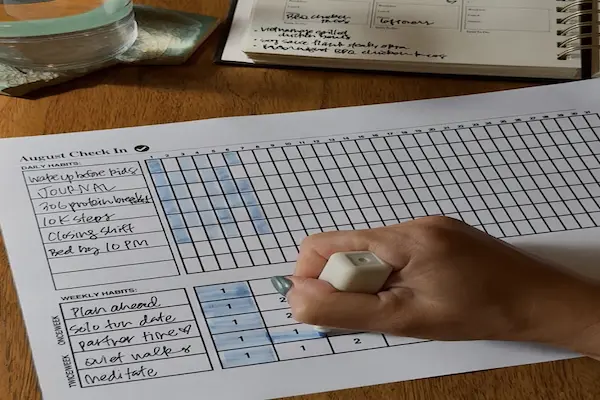
Tracking small habits matters because the human brain thrives on visible evidence of progress, and seeing a streak grow day by day creates an intrinsic motivation loop that reinforces itself, making it far more likely that you will maintain routines even on challenging days when you feel tempted to skip or forget your wellness practices.
Daily tracking also reveals patterns that might otherwise remain hidden, such as noticing which days consistently trigger skipped habits, which routines feel natural or heavy, which habits pair well together and which ones need refining, making your wellness journey more intentional rather than reactive.
Using a habit tracker for daily wellness also strengthens your ability to build identity-based habits — meaning you no longer simply “try to drink water” or “try to meditate,” but instead become a person who hydrates regularly or practices daily mindfulness, shifting your sense of self gently through repeated action.
Before You Begin: Motivation Principles for Long-Term Consistency
Before designing your tracker, grounding yourself in a few motivational principles helps ensure the system feels lightweight, empowering and realistic rather than overwhelming, which is particularly important when you’re building routines slowly and sustainably.
Motivation Principles
- Simplicity builds consistency: smaller routines practiced daily are more effective than ambitious routines abandoned quickly.
- Visual progress reinforces action: tracking streaks encourages you to keep going because progress becomes visible and rewarding.
- Clarity removes friction: clearly defined habits require less decision-making and reduce overwhelm.
- One change at a time grows naturally: adding too many habits at once can dilute focus and motivation.
- Compassion sustains momentum: missing a day does not break the system; the goal is long-term consistency, not perfection.
Template: Habit Tracker for Daily Wellness
The following template can be recreated in a notebook, bullet journal, planner or digital tool, providing a printable habit tracker layout that is minimal, clean and easy to update daily without requiring artistic skills or complex formatting.
Printable Habit Tracker Template Layout
- Header: “Daily Wellness Habit Tracker – [Month]”
- Left Column: List of wellness habits
- Top Row: Dates of the month (1–31)
- Grid: One box per habit per day
- Bottom Row: Weekly reflections or energy notes
- Side Section: Space for streak highlights and priority habits
Using a simple grid ensures your habit tracker remains clear and efficient, making it easy to mark progress quickly even on busy days.
Categories of Wellness Habits to Track
Organizing your wellness habits into categories helps you see which areas need strengthening and which ones already feel stable, giving you a more holistic understanding of your wellness routine.
Physical Wellness Habits
- Drink a full glass of water in the morning.
- Reach your hydration target for the day.
- Walk for 10 minutes.
- Stretch for five minutes.
- Eat one serving of fruit or vegetables.
- Follow your sleep schedule.
Mental Wellness Habits
- One minute of mindful breathing.
- Write three lines in a journal.
- Practice gratitude listing one thing daily.
- Limit screen time before bed.
- Take a five-minute pause between tasks.
Emotional Wellness Habits
- Send a kind message to someone.
- Choose one self-soothing activity.
- Note one positive moment from the day.
- Practice saying “no” when needed.
- Review your mood with a simple rating.
Environmental Wellness Habits
- Declutter one small area.
- Reset your workspace at the end of the day.
- Open windows for fresh air.
- Do one load of laundry or dish reset.
How to Choose the Right Habits for Your Tracker
Choosing the right habits ensures your tracker feels supportive instead of overwhelming, and focusing on habits that align with your current routines makes the system more intuitive to maintain.
Criteria for Choosing Habits
- Pick habits you can realistically complete in five minutes or less.
- Select routines that directly influence your energy, mood or overall wellness.
- Avoid overloading your tracker with too many new habits at once.
- Choose actions that build confidence rather than pressure.
- Start with two to five habits and expand later if desired.
Questions to Ask Yourself
- Which small habits would make my days feel easier?
- What wellness area needs the most gentle support right now?
- Which routines have I tried before that felt natural?
- Which habits make me feel grounded or energized?
Example Habit Tracker for Daily Wellness (Monthly Layout)
This example layout shows how your wellness tracker might look once filled with habits and structure, giving you a clear visual guide on how to format your own system.
Habits Example List
- Morning water
- Short stretch session
- Mindful breathing
- Fruit or veggie serving
- 5-minute tidy
- Evening wind-down
Each habit receives a row, and each date in the month receives a column, creating a full matrix to track streaks clearly.
How to Use Your Habit Tracker Daily
Using your habit tracker daily creates the momentum necessary to build long-term routines, and keeping the system simple encourages follow-through even on days when motivation fluctuates.
Daily Flow
- Review your tracker in the morning to set intentions.
- Keep your tracker visible throughout the day.
- Mark off habits immediately after completing them.
- Use symbols if checking boxes feels repetitive (dots, slashes, highlights).
- End your day with a quick visual review of progress.
Building Streaks Without Pressure
Building streaks is motivating, yet it’s important to approach them gently so the pursuit of a long streak does not create stress, guilt or discouragement when a day is missed.
Streak-Building Guidelines
- Celebrate streaks but avoid comparing one month to another.
- Track streaks visually with a separate highlight column.
- Restart streaks cheerfully if broken—momentum matters more than perfection.
- Use streak goals like “5 days in a row” instead of aiming for full-month completion.
The Review Method: Weekly and Monthly Reflection
Reflection helps you understand your progress and refine your habits, making your wellness routines more aligned with your real needs rather than forcing a one-size-fits-all approach.
Weekly Review
- Look for patterns of consistent habits.
- Identify days with lower completion and note possible reasons.
- Adjust one or two habits if they feel too demanding.
- Recognize small wins, even if they seem insignificant.
Monthly Reflection
- Add up total completions for each habit.
- Highlight which habits supported your wellness most.
- Remove habits that felt forced or unhelpful.
- Choose new habits gently for next month.
- Revisit your wellness priorities to stay aligned.
Troubleshooting: What to Do When Habits Don’t Stick
Struggling with consistency is completely normal, and troubleshooting helps you understand whether habits need adjusting, simplifying or replacing entirely.
Common Issues
- The habit feels too big: shorten it to a smaller version.
- You forget the habit: place your tracker somewhere visible.
- Low motivation: pair the habit with something enjoyable.
- Inconsistent schedule: choose habits that fit any day.
- Overloaded routine: reduce the number of habits to track.
Fixes That Work
- Use habit stacking: pair the habit with an action you already do.
- Set a time-based trigger like “after breakfast.”
- Celebrate even one successful action each day.
- Replace habits that don’t match your current season of life.
- Focus on effort rather than perfect completion.
Downloadable-Style PDF (Described for Recreating Manually)
This section provides a written layout you can use to recreate a printable wellness tracker that mirrors the design of a downloadable PDF but can be copied directly into your notebook or app.
Printable Wellness Habit Tracker – PDF Style Layout
- Title Box: “Daily Wellness Tracker – Month of ______”
- Habit List Section: 10 blank lines for writing desired habits.
- Monthly Grid: A 10-row by 31-column grid.
- Weekly Reflection Boxes: Four boxes labeled Week 1–4.
- Streak Section: A sidebar labeled “My Streaks This Month.”
- Notes Section: A lower box for journaling or daily insights.
Morning and Evening Routines That Support Habit Tracking
Pairing your habit tracker with supportive routines strengthens consistency and gives your habits natural anchors throughout the day.
Morning Routine Ideas
- Review habits before starting the day.
- Complete one habit immediately for early momentum.
- Use gentle reminders like visual cues.
Evening Routine Ideas
- Check your progress for the day.
- Prepare tools for tomorrow’s habits.
- Reflect briefly on what worked or didn’t.
Final Checklist for a Habit Tracker for Daily Wellness
Use this checklist to ensure your habit tracker remains functional, motivational and aligned with your wellness goals.
- Select habits that are small and realistic.
- Create a minimal grid-based tracker.
- Place the tracker in a visible location.
- Track habits consistently without pressure.
- Use streaks as motivation without perfectionism.
- Reflect weekly and monthly on patterns.
- Adjust habits if they feel too heavy.
- Celebrate small wins regularly.
- Maintain a gentle tone with yourself.
- Rebuild momentum any time you need.