
Building meaningful momentum in your personal hobbies becomes much easier when you begin setting SMART goals for hobbies in a structured, intentional and deeply encouraging way, because once you translate vague desires into practical, measurable steps, you gain a sense of direction that replaces randomness with clarity while still keeping room for joy, exploration and creativity.
Many hobbyists struggle with inconsistency not because they lack passion, but because their plans remain too broad or too idealistic, and without a framework that turns “I want to improve” into “I will practice three times a week for twenty minutes using a specific method,” it becomes difficult to measure progress or feel the rewarding satisfaction of achieving small wins along the way.
This guide shows exactly how to transform hobbies into a purposeful part of your routine by using the SMART goals structure, offering a complete worksheet you can copy directly into your notebook, a series of examples for different types of hobbies, a balanced review cadence that prevents burnout, several habit-building strategies, and an easy printable-style template for tracking growth in any creative or skill-based activity.
Whether you are a beginner rediscovering old hobbies or a dedicated enthusiast wanting more consistency, this article will help you define practical hobby planning, strengthen your measurable goals, and create a gentle system for progress tracking that supports long-term enjoyment instead of overwhelming you with pressure or unrealistic expectations.
Setting SMART Goals for Hobbies: Why Hobbies Thrive With Structure
Hobbies flourish when they are given a bit of structure, because the human brain naturally responds to clarity, specific objectives and repeatable routines that make skills grow steadily over time rather than haphazardly, allowing you to find deeper fulfillment in your creative or personal pursuits.
When hobbies are treated as optional or squeezed only into leftover time, consistency fades quickly and motivation becomes unpredictable; however, once you apply the SMART goals method, your hobby shifts from “something you try to do when you remember” into “something you purposefully pursue every week” with the support of plans that guide your actions.
A structured approach also helps you overcome plateaus, since you learn to identify measurable indicators of progress, set deadlines that feel energizing rather than stressful, and adjust your goals based on what you discover about your pace, interests and available time.
Understanding the SMART Framework
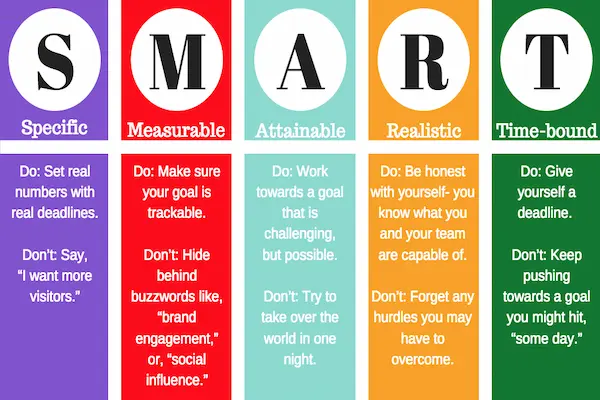
Knowing the structure of SMART goals helps you create a foundation that keeps your hobbies meaningful, manageable and aligned with your lifestyle, making it far easier to start small, stay motivated and achieve growth intentionally.
S – Specific
A specific goal describes exactly what you want to accomplish in your hobby, eliminating vague intentions and replacing them with a clear direction such as learning a technique, creating a certain number of pieces, finishing a structured routine or focusing on a particular skill.
M – Measurable
A measurable goal defines how you will know you succeeded, often using numbers, time blocks, repetition counts or milestones, which allows you to track your progress in a concrete and rewarding way rather than relying on guesswork.
A – Achievable
An achievable goal reflects your real capacity, respecting your schedule, energy availability, responsibilities and current skill level so that the goal remains realistic and encouraging rather than overwhelming or discouraging.
R – Relevant
A relevant goal connects directly to your interests and values, ensuring that your hobby supports your well-being and enjoyment rather than becoming another task that feels forced or disconnected from what you genuinely want.
T – Time-Bound
A time-bound goal includes a deadline or a time frame that helps you stay focused without feeling rushed, giving you enough structure to build discipline while still allowing the flexibility necessary for creative hobbies.
A SMART Worksheet for Setting Hobby Goals
This worksheet outlines the core prompts you can copy into your planner, bullet journal, notes app or printed page to define goals that stick and guide your hobby practice effectively.
SMART Worksheet Template
- Specific: What exact skill, habit or project do I want to pursue?
- Measurable: How will I track progress or completion?
- Achievable: What time, tools or preparation do I realistically have?
- Relevant: Why does this goal matter to me right now?
- Time-Bound: What deadline or time frame supports steady progress?
Extended Worksheet Prompts
- What obstacles might I face while working on this hobby?
- Which environment or setup supports this hobby best?
- How will I celebrate reaching this goal?
- Which micro-habits can boost consistency?
- What weekly or monthly review will help me adjust?
Examples of SMART Goals for Different Hobbies
Examples across multiple hobbies help you understand how to apply measurable goals and hobby planning to your personal interests, regardless of whether your hobby is physical, artistic, intellectual or practical.
Creative Hobbies
- Painting: Complete two watercolor pieces per month using a limited palette to practice blending.
- Knitting: Knit one scarf within eight weeks by working twenty minutes three evenings per week.
- Photography: Take twenty photos per week exploring one theme such as texture or shadows.
- Bullet journaling: Create a weekly layout every Sunday for eight consecutive weeks.
Skill-Based Hobbies
- Language learning: Study vocabulary for fifteen minutes daily using spaced repetition.
- Cooking: Learn ten new recipes within three months, rotating cuisines weekly.
- Musical practice: Practice one song section five times per session, three sessions per week.
- Drawing: Fill one sketchbook page every two days focusing on body proportions.
Physical Hobbies
- Yoga: Complete twenty sessions in two months, tracking duration and difficulty.
- Dancing: Learn three choreography sequences in six weeks by practicing twice weekly.
- Hiking: Walk four different trails before the season ends, recording distance and time.
- Gardening: Plant six herbs within sixty days and document their growth weekly.
Building Hobby Habits That Support SMART Goals
SMART goals become more effective when connected to strong habits that reinforce consistency, helping you maintain momentum even when life becomes busy or motivation fluctuates.
Habit Strategies for Long-Term Hobbies
- Create a micro-routine that signals hobby time, such as brewing tea or setting a timer.
- Keep your materials visible and ready to reduce setup friction.
- Link hobby practice to an existing habit, such as working after breakfast or before winding down at night.
- Use tiny commitments like five-minute sessions to keep momentum during busy weeks.
- Reward consistency with small celebrations that reinforce positive associations.
Tracking Progress Without Pressure
Progress tracking transforms the feeling of “I’m not improving” into tangible evidence of growth, allowing you to look back on your accomplishments with pride while making smart decisions about what to adjust, slow down or expand in your hobby routine.
Minimalist Progress Tracking Methods
- Checkmark grids for weekly sessions.
- Number-based trackers for repetitions or quantities.
- Small reflection notes at the end of each week.
- Monthly summaries with highlights and challenges.
- Simple percentage goals such as completing 25%, 50% or 75% of a project.
Printable-Style Hobby Tracking Template
The following template works inside any notebook and helps you monitor progress in a way that feels structured yet minimal, keeping hobby planning simple and efficient.
Printable Template Layout
- Top row: Hobby name, SMART goal summary, target date.
- Left column: Weekly session boxes for checkmarks.
- Center column: Notes for progress details.
- Right column: Reflection prompts such as “What worked?” and “What needs adjustment?”
- Bottom row: Final review section for summarizing the achievement.
Review Cadence: When to Evaluate Your Hobby Goals
Reviewing your progress at consistent intervals ensures your hobby goals remain relevant, realistic and aligned with your changing needs, preventing burnout while helping you adjust quickly before frustration sets in.
Weekly Review
- Check your measurable goals and note what you completed.
- Identify obstacles that appeared during the week.
- Refine the next week’s plan to match your energy and schedule.
- Celebrate any progress, even tiny wins.
Monthly Review
- Review your SMART worksheet and confirm whether goals still align with your interests.
- Evaluate emotional satisfaction and creative growth.
- Adjust deadlines or milestones as needed.
- Recommit to habits that support your next steps.
Quarterly Review
- Look back at everything you completed across three months.
- Choose a new direction if your hobby evolves.
- Refresh your workspace or tools to maintain excitement.
- Document lessons learned for long-term growth.
Ten Practical Tips for Setting SMART Goals for Hobbies
These tips help you refine your approach and create sustainable habits that keep your hobbies joyful while still structured enough to support measurable progress.
- Start smaller than you think, because small goals succeed more often than ambitious ones.
- Create a dedicated hobby space free from clutter to reduce friction.
- Use simple trackers rather than decorative ones to save time.
- Break large goals into tiny blocks that fit into short bursts of time.
- Check your progress weekly to keep momentum alive.
- Say no to goals that no longer interest you, even if halfway done.
- Keep tools and materials visible or accessible to encourage daily engagement.
- Use micro-habits to maintain consistency through busy periods.
- Celebrate milestones to reinforce the enjoyment of your hobby.
- Allow flexibility so your hobby remains enjoyable rather than stressful.
Final Checklist for Successful Hobby Goal-Setting
This final checklist ensures your SMART goals remain supportive, realistic and enjoyable while still giving your hobbies the structure they need to flourish throughout the year.
- Write a SMART goal using the full worksheet template.
- Confirm the goal aligns with your interests and lifestyle.
- Break the goal into weekly actions or practice sessions.
- Set up your progress tracking method of choice.
- Determine your weekly and monthly review cadence.
- Keep your hobby tools in an easy-to-reach space.
- Use micro-habits for consistency even during busy weeks.
- Adjust the goal when your interests evolve.
- Celebrate meaningful progress at every milestone.
- Review the entire system quarterly for long-term growth.