
Learning how to use the pomodoro technique for crafters can completely transform the way you approach creative work, especially if you struggle to stay focused, navigate long project sessions, resist distractions or finish pieces that sit half-done for weeks, because this method brings structure, rhythm and mental relief to hands-on activities without removing their natural spontaneity.
Since crafting often involves tactile work, repetitive motions, setup time, scattered tools and inspiration that ebbs and flows unpredictably, applying focus strategies designed for computer-based tasks can feel counterintuitive, yet adapting the pomodoro technique to the physical reality of materials, textures, cutting, sewing, assembling or painting proves not only possible but deeply liberating when executed gently and consistently.
This long, detailed guide introduces a friendly, upbeat and science-light interpretation of the classic pomodoro method, reshaped specifically for makers, DIY enthusiasts, knitters, sewists, woodworkers, quilters, jewelry creators, crocheters and any other hands-on creators who want more focus without losing joy, flow or creative energy.
Inside this methodical walkthrough, you’ll find four session templates tailored to different crafting moods, a customizable break menu to restore your body and mind, practical timer suggestions for both analog and digital personalities, and a troubleshooting section dedicated to common focus challenges such as intrusive thoughts, overexcited inspiration, creative fatigue and the constant temptation to check your phone.
Why the Pomodoro Technique for Crafters Works
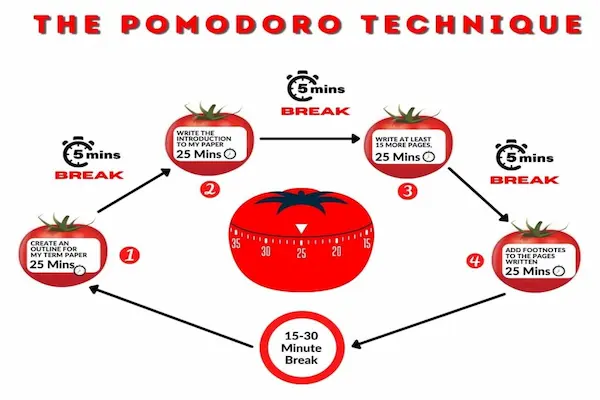
Adapting the pomodoro method to crafting works because crafting combines mental focus with physical movement, and breaking work into predictable intervals reduces the cognitive load of deciding when to start, when to rest and when to push forward, all while keeping the experience energizing rather than exhausting.
Creators who lose track of time often find themselves working far past their energy limit, which leads to sloppy stitches, incorrect cuts, rushed glue jobs or tension mistakes, while those who struggle to begin a project experience procrastination due to the perceived size of the session ahead; the pomodoro technique solves both extremes by introducing manageable work blocks with built-in recovery moments.
Hands-on creative work benefits specifically because you give your wrists, eyes, shoulders and fine motor muscles a chance to reset, preventing injuries and allowing your craftsmanship to remain precise, steady and enjoyable, rather than chaotic or hurried.
How the Pomodoro Technique Works (Craft-Friendly Explanation)
The classic pomodoro pattern uses 25 minutes of focused work followed by a short break, with four cycles leading to a longer restorative pause, yet crafters often need slightly different timing because physical work introduces variables like hand strain, posture changes and material cleanup.
Instead of forcing yourself into rigid intervals, adapting the tempo to your craft makes the technique more sustainable and gentler, supporting your natural flow instead of cutting it abruptly.
Craft-Compatible Breakdown
- Focus Session: 25–35 minutes of uninterrupted crafting, adjusted based on complexity.
- Short Break: 3–8 minutes to stretch, hydrate or rest your eyes.
- Cycle Repetition: repeat 3–4 times for a full creative block.
- Long Break: 15–25 minutes to reset your body and workspace.
These intervals prevent burnout, keep your mind alert and support deep work without draining the joy out of your hands-on process.
Four Pomodoro Session Templates for Crafters
Different crafting days require different rhythms, so having adaptable session templates ensures that you always find a flow that matches your current energy, mood and project style instead of forcing a one-size-fits-all structure on yourself.
Template 1: The Gentle Warm-Up Session
Ideal for low-energy days, for returning to a long project after a break, or for easing into creativity without pressure.
- Focus 15 minutes on setup: gather tools, lay out materials, review the next steps.
- Break 5 minutes: stretch fingers and breathe deeply.
- Focus 20 minutes on light tasks such as threading needles, winding yarn, sanding edges or sketching patterns.
- Break 5 minutes: walk briefly or refill water.
- Focus 25 minutes on one meaningful step of the project.
- Long break 15 minutes: rest your eyes and relax shoulders.
Template 2: The Deep Work Crafting Sprint
Perfect for complex crafting tasks that require precision, attention and immersion such as fine embroidery, intricate cutting, pattern drafting or beadwork.
- Focus 30 minutes deeply, no interruptions allowed.
- Break 5 minutes: stand up, rotate wrists, gently stretch.
- Focus 30 minutes on the same section without switching tasks.
- Break 7 minutes: shake tension out of shoulders.
- Focus 30 minutes of finishing or refining details.
- Long break 20 minutes: move, hydrate, rest mindfully.
Template 3: The High-Energy Creative Burst Session
Excellent for brainstorming, prototyping, testing colors, arranging fabrics, experimenting with patterns or exploring new techniques.
- Focus 20 minutes on creative exploration without judgment.
- Break 5 minutes: jot down any ideas to avoid mental clutter.
- Focus 20 minutes on refining your favorite idea or prototype.
- Break 5 minutes: move materials and prepare next step.
- Focus 25 minutes on bringing one idea into a more solid form.
- Long break 20 minutes: decompress and capture insights.
Template 4: The Big Project Momentum Builder
Useful for multi-step creations like quilts, multi-piece woodworking, long knitting projects, costume construction or layered painting.
- Focus 25 minutes on a foundational task.
- Break 5 minutes: release any physical tension.
- Focus 25 minutes on a supporting task (cutting, sanding, prepping pieces).
- Break 5 minutes: clean workspace slightly.
- Focus 35 minutes on a critical task that moves the project forward.
- Long break 25 minutes: relax your body fully.
Break Menu for Craft-Focused Pomodoro Sessions
Taking breaks intentionally strengthens the effectiveness of the pomodoro technique because your brain and body need contrast to recover focus, especially after long periods of fine motor movement or repetitive actions.
Light Physical Breaks
- Stretch shoulders, arms and wrists.
- Walk around your workspace slowly.
- Roll your neck gently in both directions.
- Shake out hands to release tension.
- Do a 1-minute breathing reset.
Creative Reset Breaks
- Glance at color palettes or swatches with no intention to judge.
- Flip through a sketchbook for inspiration.
- Touch different textures or fabrics for sensory reset.
- Write down a quick idea that appeared mid-session.
Mental Clarity Breaks
- Sit quietly for a moment away from materials.
- Look outside to rest your vision.
- Drink water slowly and intentionally.
- Practice slow breathing for 20–30 seconds.
Timer Tools Suitable for Crafters
Crafters benefit from timers that work hands-free, since hands are often occupied by tools, materials, glue, needles, yarn or paint, so choosing the right type of pomodoro timer improves your workflow rather than interrupting it.
Analog Timer Advantages
- Does not require touching screens with messy hands.
- Makes a satisfying tick and ring that creates immersion.
- Easy to glance at from across the room.
Digital Timer Advantages
- Offers silent vibrations for quiet work sessions.
- Allows customization of intervals and break lengths.
- Provides visual countdowns and subtle alerts.
Hands-Free Timer Options
- Voice-activated timers.
- Wearable timers with vibration alerts.
- Standalone desk timers with large displays.
Troubleshooting Common Focus Problems for Crafters
Even with a well-structured pomodoro routine, crafters encounter predictable focus challenges such as sudden boredom, unexpected inspiration spikes, intrusive thoughts, chaotic workspaces or the urge to abandon a project mid-session.
Problem: Getting Distracted Quickly
- Remove visual distractions by keeping only needed materials in view.
- Place your phone outside the crafting zone.
- Use shorter first sessions to warm up your attention.
Problem: Running Out of Energy Mid-Session
- Choose lighter, preparatory tasks when your stamina drops.
- Switch to a shorter pomodoro interval.
- Increase hydration and take posture resets frequently.
Problem: Too Many Ideas at Once
- Keep a nearby idea notebook to store concepts during focus time.
- Stay committed to finishing the current session before switching tasks.
- Add “idea capture” as part of your break menu.
Problem: Losing Motivation Mid-Project
- Use completion-based pomodoros dedicated only to finishing a section.
- Add small rewards after long cycles.
- Reconnect with your original intention by reviewing your initial plan.
How to Structure a Full Crafting Block with Pomodoro Technique
Building a full crafting block turns your sessions into a predictable rhythm that supports both creativity and focus without feeling mechanical or rigid.
Full Block Example
- Session 1: 30-minute focus + 5-minute break.
- Session 2: 30-minute focus + 7-minute break.
- Session 3: 25-minute focus + 5-minute break.
- Session 4: 35-minute focus + 20-minute long break.
Repeating this block maintains progress without strain, especially for large crafts that require many hours across a week.
How to Use Pomodoro Technique for Deep Work in Crafting
Deep work for crafters refers to the immersive state where time disappears, your hands move with confidence and your creative mind accesses precision, patience and insight, and using the pomodoro structure helps reach that state intentionally instead of waiting for inspiration or luck.
Steps to Enter Deep Work
- Prepare your workspace fully before starting.
- Choose a single, clear objective for the session.
- Start with a warm-up pomodoro to focus your mind.
- Enter a longer, uninterrupted cycle dedicated to one task.
- Protect the time by removing all potential distractions.
Final Checklist for Using Pomodoro Technique for Crafters
- Choose the session template that matches your energy.
- Set a timer that works for your hands-on process.
- Prepare your workspace before the first cycle.
- Limit distractions by managing tools and environment.
- Use meaningful break activities to restore energy.
- Adjust session length based on task difficulty.
- Track progress across sessions to stay motivated.