
Learning how to plan DIY weekends in a way that fits the reality of a busy professional’s life can completely change the way home projects unfold, especially when free time is limited, energy varies throughout the week, and small delays have the power to transform a simple improvement into a half-finished source of stress that lingers long after Monday arrives.
Because weekend hours are precious and often fragmented around errands, family needs and personal downtime, building a practical planning system becomes essential for anyone who wants to start and finish DIY tasks without disappointment, wasted materials or unexpected complications, and the goal of this guide is to give you that exact structure using a realistic, step-by-step approach that respects your time and your bandwidth.
This comprehensive walkthrough will show you how to turn vague intentions into a clear weekend project plan, offering a pre-work checklist, a timeline template, a material preparation method, strategies to estimate time accurately and avoid delays, along with safety reminders and a wrap-up review process that ensures each project teaches you something valuable for the next weekends.
Every section has been written with the perspective of a busy professional who balances household responsibilities with a desire to upgrade, repair or create something meaningful, and because your time window is small, this system focuses on practicality rather than perfection, emphasizing smooth execution rather than ambitious plans that collapse under pressure.
How to Plan DIY Weekends: Why Proper Planning Matters
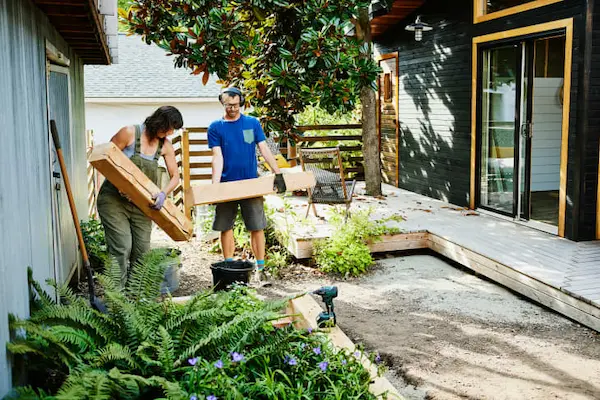
Understanding the importance of planning before touching a tool or opening a materials box can prevent countless headaches, because DIY projects tend to expand in complexity once you begin, revealing steps you didn’t anticipate, supplies you forgot to purchase, or tasks that take longer than expected.
Instead of relying on improvisation, preparing for the weekend with clarity and foresight gives you control over the moving parts of your project, allowing you to break tasks into manageable pieces that fit your available time rather than overpowering your schedule.
Once you learn how to plan DIY weekends effectively, finishing projects becomes an achievable habit instead of a lucky occurrence, and over time, your home improvements will progress confidently as your planning instincts sharpen naturally through repetition and simple reflection.
Core Principles of a Successful Weekend Project Plan
Following a few foundational principles will ensure that each project has a strong structure, helping you avoid the overwhelm that often appears when materials scatter, steps multiply or time runs out faster than expected.
- Clarity before action: define every task before starting to avoid mid-project confusion.
- Suitability to your time window: choose projects that truly fit the hours you have available.
- Simplicity first: avoid unnecessary complexity until you have confidence in your workflow.
- One main goal per weekend: focus boosts momentum and prevents unfinished clutter.
- Prepare fully before Saturday: eliminate surprises by collecting all materials in advance.
These principles support the mental shift from “I hope I finish this” to “I planned properly, so I will finish this,” and that mindset change alone is powerful enough to fundamentally improve your weekend productivity.
Pre-Work Checklist for How to Plan DIY Weekends
Completing a pre-work checklist during the week ensures that your limited weekend hours can be spent working instead of shopping, searching for tools or dealing with missing steps, and this checklist becomes even more crucial when balancing a full-time job with personal improvement projects at home.
Essential Pre-Work Checklist
- Define the project outcome: write a one-sentence objective describing what “finished” looks like.
- Break the project into steps: list each action from start to finish even if they seem obvious.
- Estimate time for every step: allow more time than you think you need to avoid rushing.
- Identify materials required: create a complete list and verify what you already own.
- Check tool availability: confirm whether your tools work, are charged or need replacement parts.
- Plan a shopping window: schedule time before the weekend to purchase missing supplies.
- Prepare the workspace: choose an area where you can work without constant interruptions.
- Confirm weather if relevant: outdoor projects depend heavily on safe and stable conditions.
Going through this list midweek, such as on Wednesday or Thursday evening, helps free your weekend from the kind of delays that happen when you realize you forgot sandpaper, the right screws or protective gloves.
How to Estimate Time for Weekend Projects
Accurate time estimation often determines whether your project will be finished by Sunday night or left incomplete, so learning to estimate time realistically is a powerful skill for planning effective DIY weekends that conclude successfully.
Time Estimation Strategy
- Break the project into micro-steps that are easy to visualize.
- Assign time estimates to each micro-step rather than to the project as a whole.
- Multiply your first estimate by at least 1.5, because DIY always takes longer than expected.
- Account for setup time, cleanup time and unexpected interruptions.
- Reserve a buffer of at least 30 minutes between major steps.
Examples of Step Time Estimates
- Sanding a small wooden surface: 20–30 minutes.
- Painting a small shelf: 40–60 minutes plus drying time.
- Cutting materials: 15–20 minutes depending on tools.
- Assembly: 30–75 minutes depending on complexity.
Once you gain experience estimating time, your weekend project plan becomes far more reliable, preventing frustration when Sunday evening arrives and the work remains half done.
Preparing Materials to Avoid Delays
Weekend projects often fail due to missing materials, wrong measurements, incorrect quantities or overlooked tools, which is why preparing materials thoroughly is one of the most important aspects of learning how to plan DIY weekends with confidence.
Material Preparation System
- Lay all materials out on a table or in a designated project bin.
- Group items by step to ensure every phase has what it needs.
- Check quantity twice, then check again after grouping.
- Test tools to ensure they function properly before the weekend begins.
- Label materials for complex builds to avoid confusion in the moment.
Shopping List Template
- Primary materials: wood boards, fabric pieces, paint cans, tiles, hardware.
- Secondary supplies: sandpaper, adhesives, nails, screws, fasteners.
- Safety gear: gloves, goggles, masks, protective clothing.
- Tool accessories: batteries, drill bits, cutters, measuring tape.
- Finishing items: varnish, sealant, brushes, cloths, protective pads.
Completing your shopping list before Saturday prevents mid-project store runs, which often consume more time than the actual work, leaving you unable to finish before the weekend ends.
Creating a Practical DIY Weekend Timeline
A timeline helps you visualize how your weekend will unfold, giving structure to your limited hours and ensuring that you can transition smoothly between preparation, execution and cleanup without feeling overwhelmed or rushed.
Timeline Template
You can adjust this template based on your project size and available time.
- Friday Evening: finalize materials, stage tools, confirm the step order, tidy the work area.
- Saturday Morning: begin the first major step when energy is highest.
- Saturday Midday: handle time-consuming tasks such as sanding, cutting or assembly.
- Saturday Afternoon: complete mid-level tasks that require precision but not full strength.
- Saturday Evening: pause intentionally to prevent burnout, review progress realistically.
- Sunday Morning: complete remaining major steps or secondary tasks.
- Sunday Afternoon: begin finishing touches, drying phases or final adjustments.
- Sunday Evening: inspect the finished work, clean the space and take notes for future projects.
This structure supports a balanced rhythm, giving you enough room for rest, short errands and unexpected interruptions while still ensuring that progress moves forward consistently throughout the weekend.
How to Avoid Delays During DIY Weekends
Delays can appear for many reasons—missing materials, inaccurate measurements, fatigue, distractions, miscommunication, or simply trying to do too much—but with a few preventive strategies, you can protect your momentum and keep your project moving efficiently.
Delay Prevention Strategies
- Limit project scope: choose something achievable in the available hours.
- Prepare everything early: complete shopping and staging before the weekend starts.
- Set a “no new tasks” rule: resist adding extra steps mid-project.
- Check drying or curing times: avoid tasks that rely on unrealistic timing.
- Set timers: maintain momentum without drifting into distractions.
- Work in order: jumping between steps creates confusion and rework.
Applying these strategies consistently helps you maintain a steady project flow even when the weekend schedule is tight.
Risk and Safety Notes for Weekend DIY
Because DIY projects often involve tools, chemicals, lifting or sharp materials, reviewing safety notes is essential for avoiding injuries, accidents or expensive mistakes, especially when working at home without professional supervision.
General Safety Notes
- Wear protective gloves, eye protection and masks when appropriate.
- Ensure your workspace has proper lighting and ventilation.
- Use tools only according to their instructions and avoid improvising.
- Keep children and pets away from the work area.
- Rest your hands and back regularly to avoid strain.
Risk Reduction Tips
- Test each tool in a controlled environment before using it on the actual project.
- Store sharp or hazardous items in a designated container.
- Check surfaces for stability before climbing or balancing.
- Clean spills immediately to prevent slips.
- Stay hydrated and take short breaks to stay alert.
When safety becomes part of your planning routine, your projects progress smoothly and confidently instead of becoming rushed and risky.
Wrap-Up Review After Each DIY Weekend
Completing a wrap-up review at the end of Sunday helps consolidate what you learned, highlight what went well and identify what needs adjustment in your future planning, forming a practical habit that improves your DIY efficiency long-term.
Wrap-Up Review Checklist
- Did I finish the project within the estimated time?
- Which steps took longer or shorter than planned?
- Were all materials available when needed?
- Did I follow the timeline or deviate from it?
- What interruptions occurred and how can I reduce them next time?
- How did the workspace support or hinder efficiency?
- What should be done differently for the next weekend project?
Taking ten minutes to answer these questions gradually transforms you into someone who can consistently plan DIY weekends with confidence, accuracy and calm focus.
Examples of Weekend DIY Projects Suitable for Busy Professionals
Selecting suitable project types makes it easier to finish them within a weekend window, so choosing wisely protects your motivation and prevents a backlog of partially completed tasks.
Quick Wins (1–3 hours)
- Building a small shelf.
- Organizing a storage drawer.
- Painting a single decor item.
- Repairing minor household issues.
Medium Projects (3–6 hours)
- Repainting a room accent wall.
- Assembling a piece of flat-pack furniture.
- Decluttering and reorganizing a small closet.
- Refinishing a small table or chair.
Large Projects (1–2 full weekends)
- Building custom storage solutions.
- Renovating a bathroom corner or laundry nook.
- Reworking a backyard seating area.
- Installing a small garden path.
Final Checklist for How to Plan DIY Weekends Properly
Use this checklist every week to ensure your next DIY weekend begins with clarity, confidence and full preparation.
- Choose a realistic project aligned with your available hours.
- Define what “finished” means clearly and specifically.
- Break the project into micro-steps with time estimates.
- Create a detailed shopping list and gather materials early.
- Prepare your workspace before Saturday morning.
- Set a weekend timeline that matches your energy levels.
- Commit to avoiding mid-project additions or scope changes.
- Follow safety guidelines and check your tools before use.
- Review your progress Sunday evening to improve the next plan.